
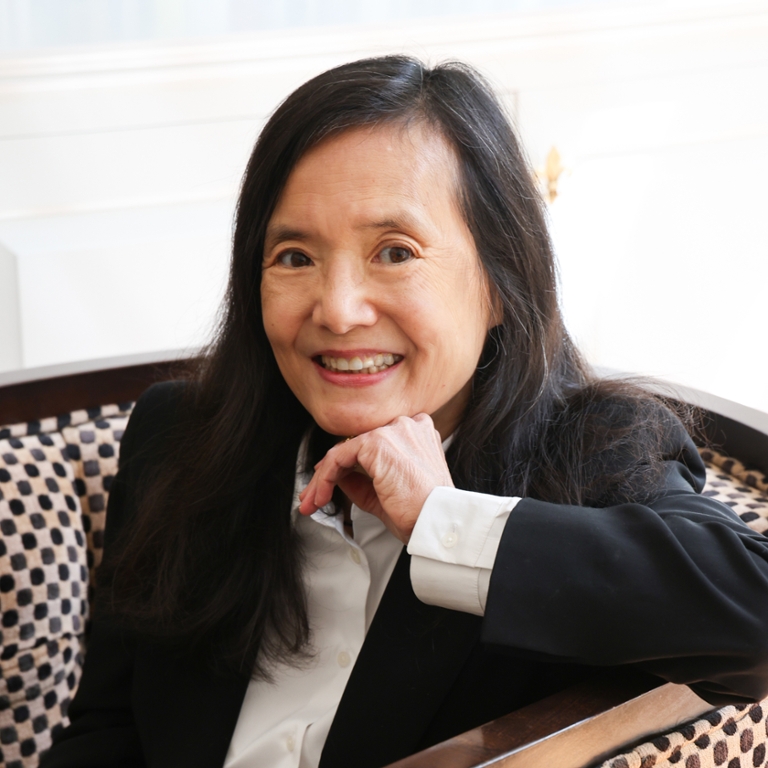
Noriko Manabe
Chair, Department of Music Theory

The music theory department combines world-class research and scholarship with unique and innovative pedagogy.
Eclectic in our interests and internationally renowned for the quality and scope of our work, the music theory faculty and students maintain a strong record of publications, conference presentations, performances, and other accomplishments.
Our students and faculty work together to maintain a high standard of rigorous, conservatory-style pedagogy in music theory while leading the way toward a more diverse and inclusive future for our field.
The extensive training our students receive as pedagogues and scholars contributes to the excellent success rates that our alumni enjoy on the job market. Our graduates hold teaching positions in major universities, liberal-arts colleges, and schools of music around the world.
As faculty scholars, we are dedicated to exploring music’s intellectual, critical, structural, and social domains.
We are experienced in a broad array of approaches and methodologies, including Schenkerian analysis, serialism, transformation theory, informatics, and cultural studies.
And we are passionate about musical repertoires ranging from the classical music of the long eighteenth century through a variety of twentieth-century genres to post-millennial pop.
Chair, Department of Music Theory

Professor of Music (Music Theory)
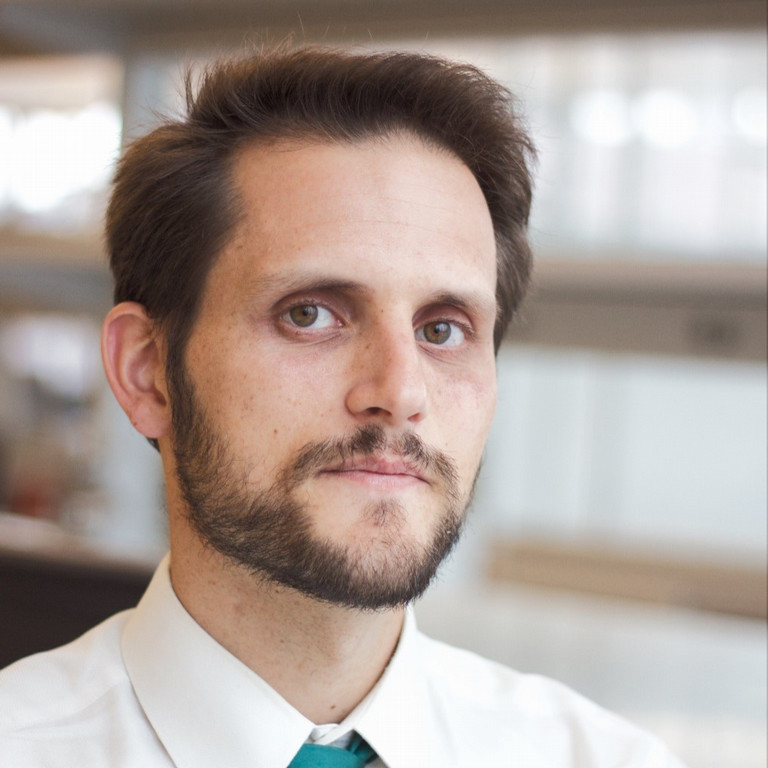
Assistant Professor of Music (Music Theory)
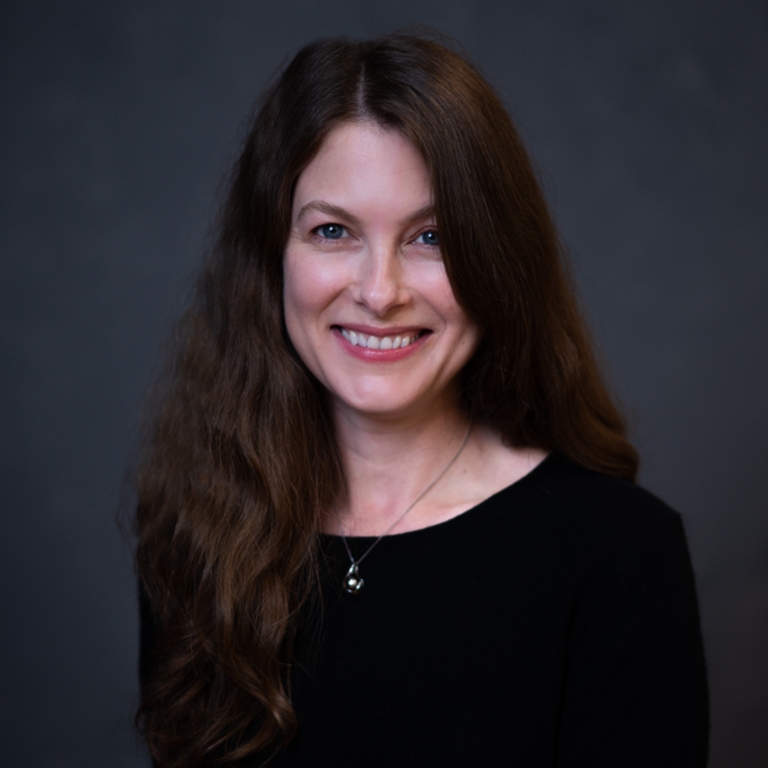
Assistant Professor of Music (Music Theory)

Professor of Music (Music Theory)
Professor of Music (Music Theory)
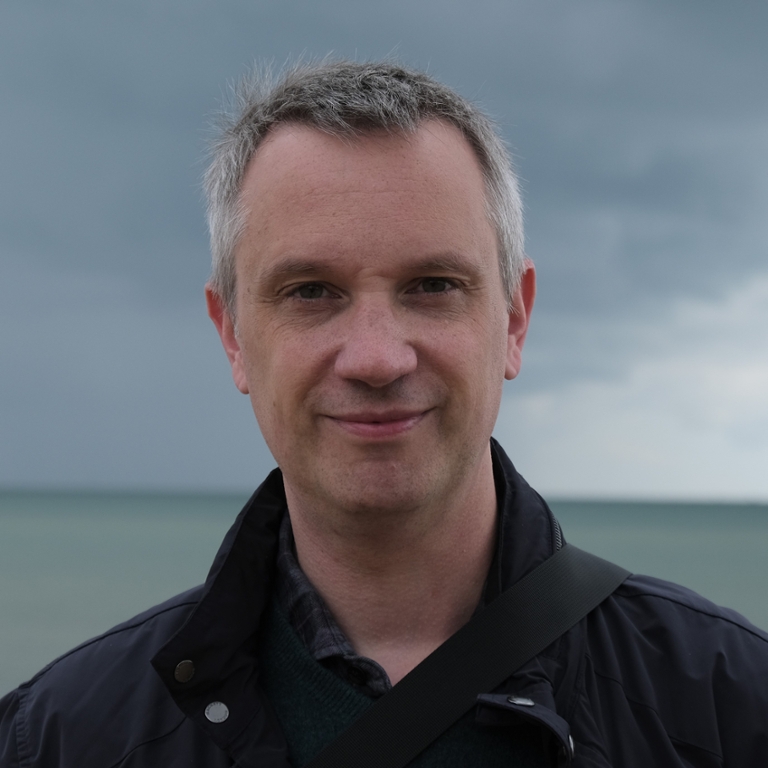
Associate Chair, Department of Music Theory
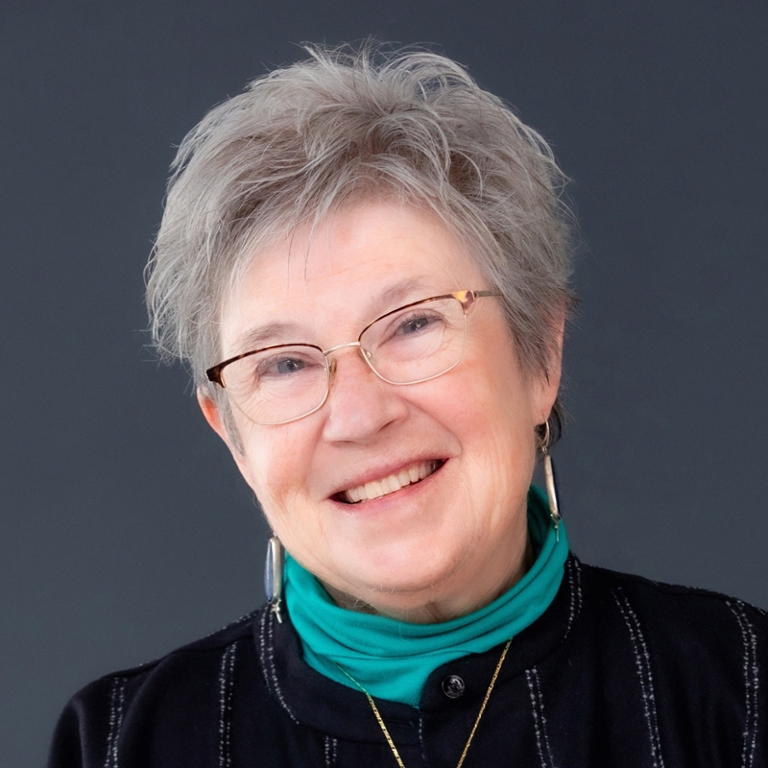
Professor Emerita of Music (Music Theory)

Professor of Music (Music Theory)
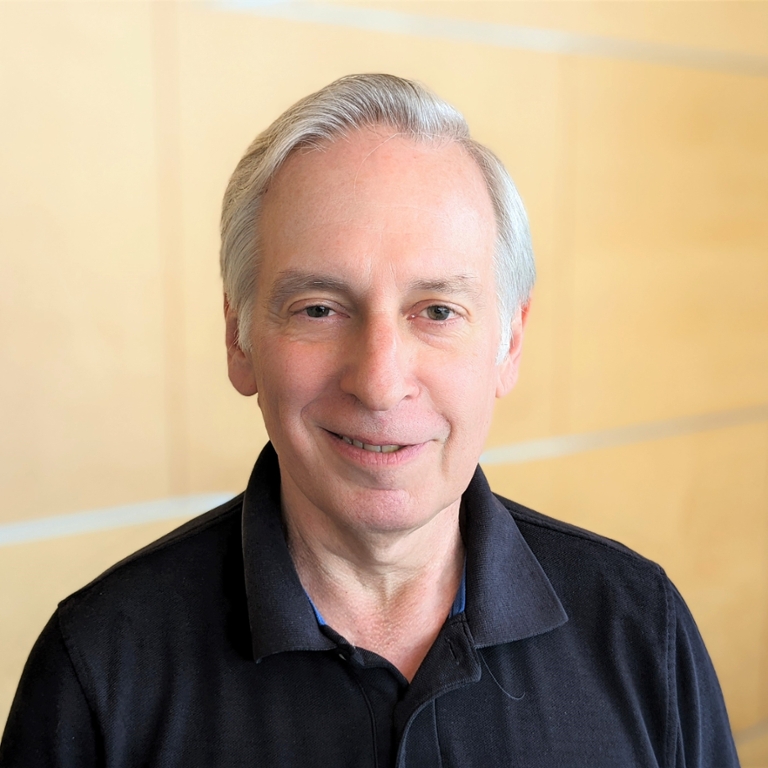
Professor of Music (Music Theory)

Assistant Professor of Music (Music Theory)

Assistant Professor of Music (Music Theory)